
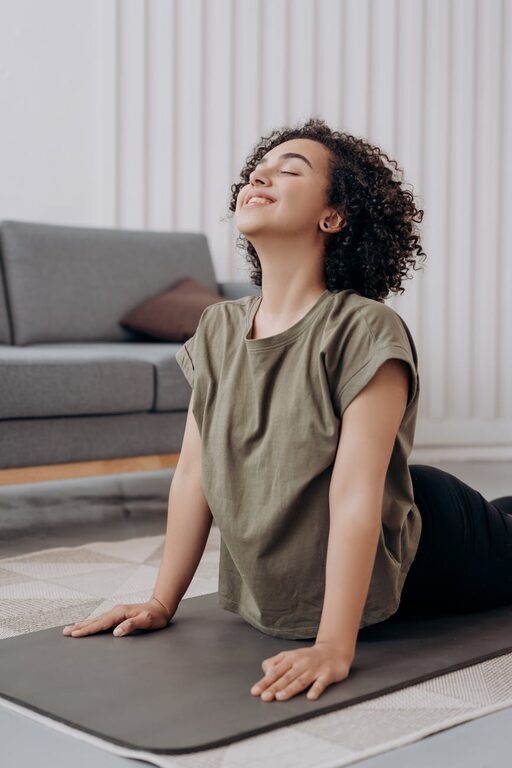
Stretching is a simple, yet powerful way to enhance your physical health and overall well-being. Whether you’re new to exercise or looking to add more movement to your daily routine, stretching at home can be an excellent starting point. This guide will walk you through the basics of stretching, its benefits, and easy stretches you can do in the comfort of your home.
Why Stretching Matters
Stretching helps improve flexibility, which is essential for maintaining a wide range of motion in your joints. It also promotes better circulation and can reduce muscle tension and stiffness. Regular stretching may prevent injuries, improve posture, and even help alleviate some forms of discomfort caused by prolonged sitting or repetitive movements.
Additionally, stretching can be a calming practice that helps reduce stress and prepare your body for physical activity or relaxation.
When Should You Stretch?
You can stretch at various times, depending on your goals:
– Before exercise: Gentle dynamic stretching can warm up your muscles.
– After exercise: Static stretching can help cool down muscles and improve flexibility.
– Anytime: Stretching can be part of daily self-care to ease stiffness or improve mobility.
For beginners focusing on flexibility and relaxation, stretching at any convenient time can be beneficial.
Basic Guidelines for Stretching at Home
Before you begin, keep these tips in mind:
- **Warm up first**
Stretching cold muscles can lead to injury. Warm up with 5 minutes of light activity – like marching in place or walking around your home.
- **Stretch gently and slowly**
Move into each stretch gradually. Avoid bouncing or forcing your body into uncomfortable positions.
- **Hold your stretch**
Aim to hold each stretch for 15-30 seconds. Remember to breathe deeply and relax during the stretch.
- **Listen to your body**
Stretching should feel good. If you experience pain, ease back or try a modified position.
- **Be consistent**
Regular practice, even for 10-15 minutes a day, brings the best results.
Essential Stretches for Beginners
Here are some simple stretches that target major muscle groups and can be done with no special equipment.
1. Neck Stretch
– Sit or stand tall.
– Slowly tilt your head toward your right shoulder.
– Hold for 20 seconds and repeat on the left side.
– This stretch relieves neck tension common after screen time.
2. Shoulder Rolls
– Stand or sit with your back straight.
– Roll your shoulders forward in a circular motion 10 times.
– Reverse and roll backward 10 times.
– This movement improves shoulder mobility and releases tightness.
3. Chest Stretch
– Stand facing a wall or doorway.
– Place your palm and forearm on the wall at shoulder height.
– Gently turn your body away from the wall until you feel a stretch across your chest.
– Hold for 20-30 seconds and switch sides.
– This stretch counteracts the effect of slouched posture.
4. Cat-Cow Stretch (Spinal Mobility)
– Get on your hands and knees on a mat or soft surface.
– Inhale to arch your back and lift your head (Cow pose).
– Exhale to round your spine and tuck your chin (Cat pose).
– Repeat slowly for 8-10 breaths.
– This sequence warms up your spine and relieves back tension.
5. Seated Forward Bend
– Sit on the floor with legs extended.
– Gently hinge at your hips and reach toward your toes.
– Keep your back straight and only go as far as comfortable.
– Hold for 20-30 seconds.
– This stretch targets your hamstrings and lower back.
6. Hip Flexor Stretch
– Kneel on one knee, other foot in front with knee bent at 90 degrees.
– Push your hips gently forward until you feel a stretch in the front of the hip.
– Hold for 20-30 seconds and switch sides.
– Helps increase hip flexibility, especially after sitting.
7. Child’s Pose (Relaxing Stretch)
– Kneel on the floor with your big toes touching.
– Sit back on your heels and stretch your arms forward on the floor.
– Lower your forehead toward the mat and breathe deeply.
– Hold for 30 seconds to a minute.
– Promotes relaxation and stretches the lower back.
Creating a Stretching Routine
To build your own routine, try this simple plan for beginners:
– Warm up with light movement for 5 minutes.
– Perform 3-4 stretches targeting different areas of your body.
– Hold each stretch for 20-30 seconds.
– Repeat the routine 3-4 times a week.
As you become more comfortable, you can increase the duration, add dynamic stretches, or explore yoga routines for variety.
Helpful Tips for Success
– Use comfortable clothing that allows for movement.
– Choose a quiet, open space to avoid distractions.
– Consider using a yoga mat or soft surface for comfort.
– Stay hydrated before and after stretching.
– Set a reminder to stretch daily or at least several times per week.
– Combine stretching with other gentle activities like walking or light strength training.
Conclusion
Stretching at home is a convenient and effective way to improve flexibility, reduce tension, and support your overall health. With just a few simple exercises and consistent practice, you can enjoy greater mobility and feel more comfortable in your daily activities. Remember to start slow, listen to your body, and make stretching a part of your daily routine for the best results.
Try out the stretches outlined above and discover how a small daily habit can make a big difference in your well-being!